
Wildlife trafficking has placed lions among the most at-risk species, threatening their survival. In response, researchers at the University of Illinois Urbana-Champaign have introduced the Lion Localizer, a powerful tool designed to trace the origins of illegally traded lion parts.
The Lion Localizer uses DNA analysis to identify the population sources of seized lion parts, aiding law enforcement in tracking poaching activities.
This tool provides valuable data on the targeted populations and assists authorities in prosecuting wildlife crimes.
However, its effectiveness is sometimes limited when multiple populations could be the source or when the DNA database is incomplete.
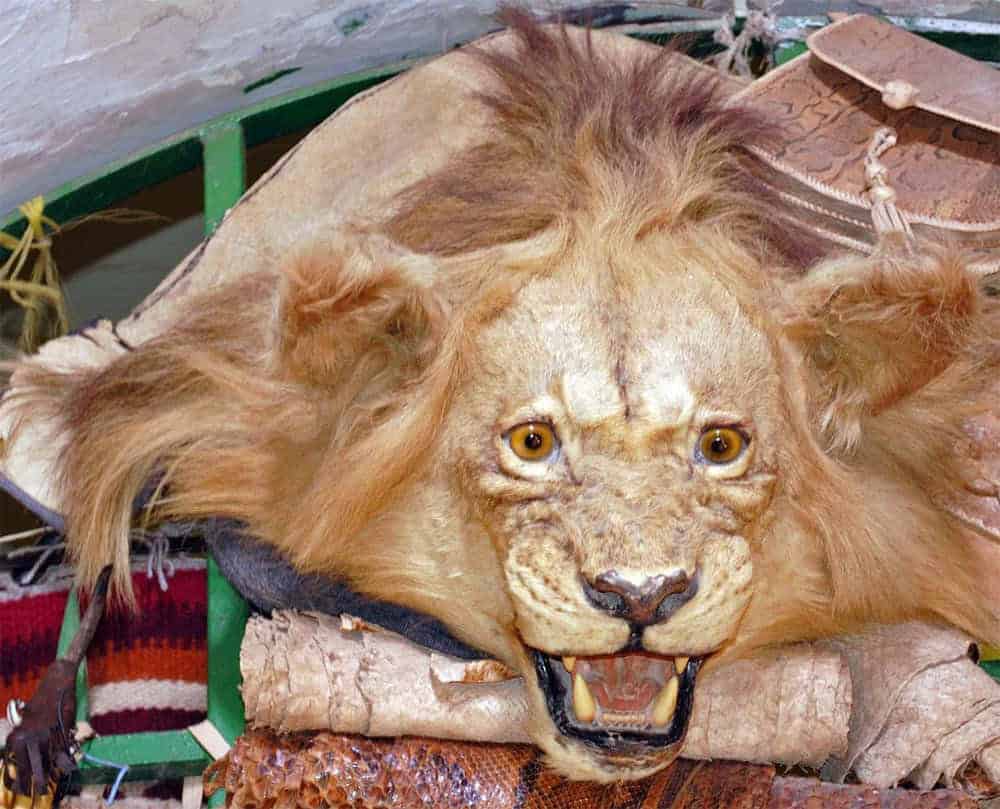
Demand for lion parts mostly comes from outside Africa, with markets in China, Laos, and Vietnam. While the Lion Localizer is designed for ease of use, gaps in its database mean it cannot always provide precise matches in every case. Yet, the tool’s contributions to conservation efforts are substantial.
Lion populations have sharply declined over the past 50 years, with poaching responsible for a significant portion of lion deaths. Retaliatory killings, too, often result in lion parts entering illegal markets.
By analyzing DNA from seized parts, researchers can trace their geographic origin, giving authorities insights into trafficking patterns and helping them pursue more effective conservation strategies.
The tool compares DNA samples with those in its database, allowing users to identify where confiscated lion parts might have come from. This level of forensic precision supports targeted efforts to protect vulnerable populations.
While the Lion Localizer primarily focuses on African lions, its use could be expanded globally to uncover broader trends in illegal wildlife trade.
As forensic technology progresses, tools like the Lion Localizer are vital in preserving endangered species.
Additional methods, such as isotope analysis, complement DNA testing by offering further clues about the geographic origins of seized wildlife products.
Innovations like the Lion Localizer represent significant progress in the fight against wildlife trafficking, providing essential resources to protect lions and other at-risk species.
Read more Wildlife News.


