In April, the Tsavo Conservation Area became the site of three significant elephant treatments, supported by the David Sheldrick Wildlife Trust (DSWT) through their helicopter and Super Cub aircraft.
On April 11th, against the scenic backdrop of Mount Kilimanjaro, an elephant bull was spotted with a suspected spear wound on its foot.
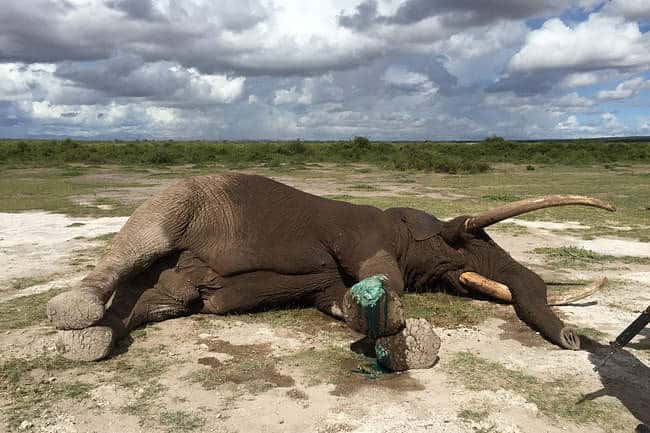
Rangers from Kenya Wildlife Service (KWS) noticed the elephant limping near the Kimana gate in Amboseli National Park and quickly reported it.
The Tsavo Mobile Veterinary Team, led by KWS Veterinary Officer Jeremiah Poghon and funded by DSWT, sprang into action upon receiving the alert.
To ensure a timely response, the team used the Trust’s aircraft for rapid transport to the bull’s location.
Upon arrival, they prepared a tranquilizer dart and carefully followed the elephant by vehicle, ensuring not to alarm it.
Once they reached an ideal spot in a grassy area, they administered the dart to the bull’s rump, immobilizing him within 12 minutes.
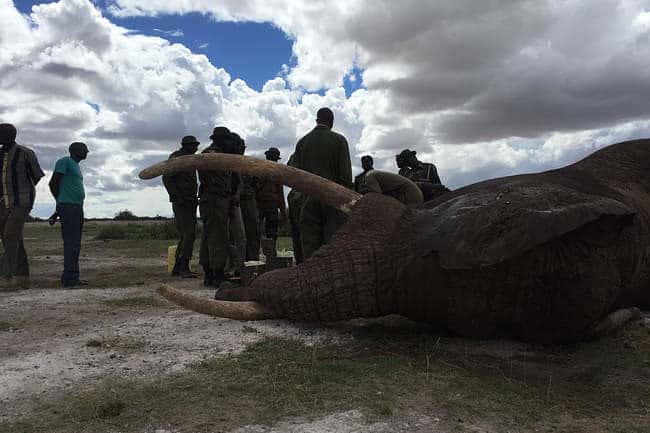
Being a large bull, the elephant fell heavily onto its haunches after sedation. The team quickly moved in to lay him on his side, allowing better access to the injured foot.
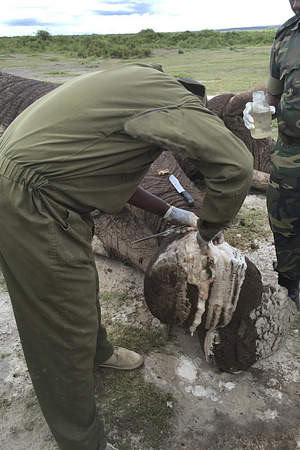
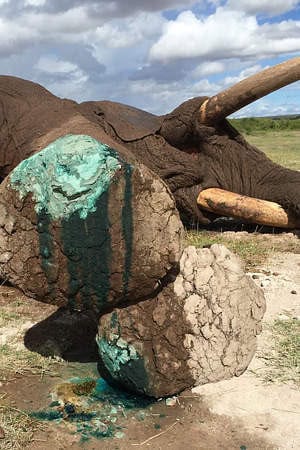
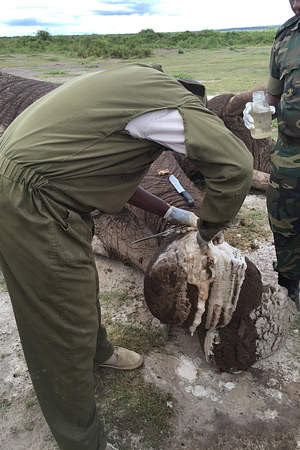
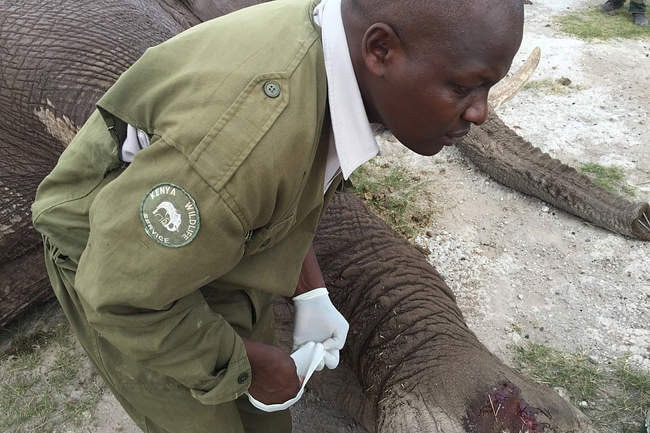
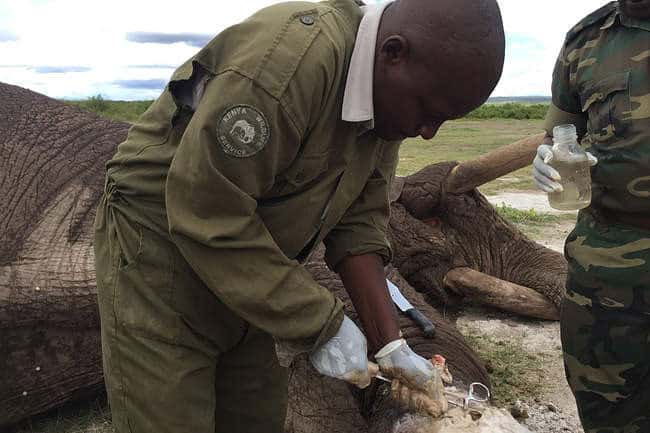
At first glance, the wound seemed minor, but closer inspection revealed a spear injury that had penetrated the sole and become infected.
Prompt treatment was crucial to prevent the infection from worsening. The veterinary team cleaned the wound thoroughly, removing debris and infected tissue to encourage healing.
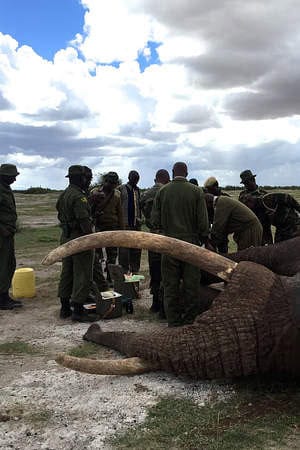
Dr. Poghon expressed confidence in the bull’s recovery but recommended a monthly follow-up visit to ensure proper healing.
As the anesthesia wore off, the elephant slowly regained consciousness, though disoriented by its surroundings.
KWS committed to monitoring the bull closely in the following weeks, prepared to provide further care to support its recovery and well-being within the vast Tsavo Conservation Area.
Read more Elephant News.


